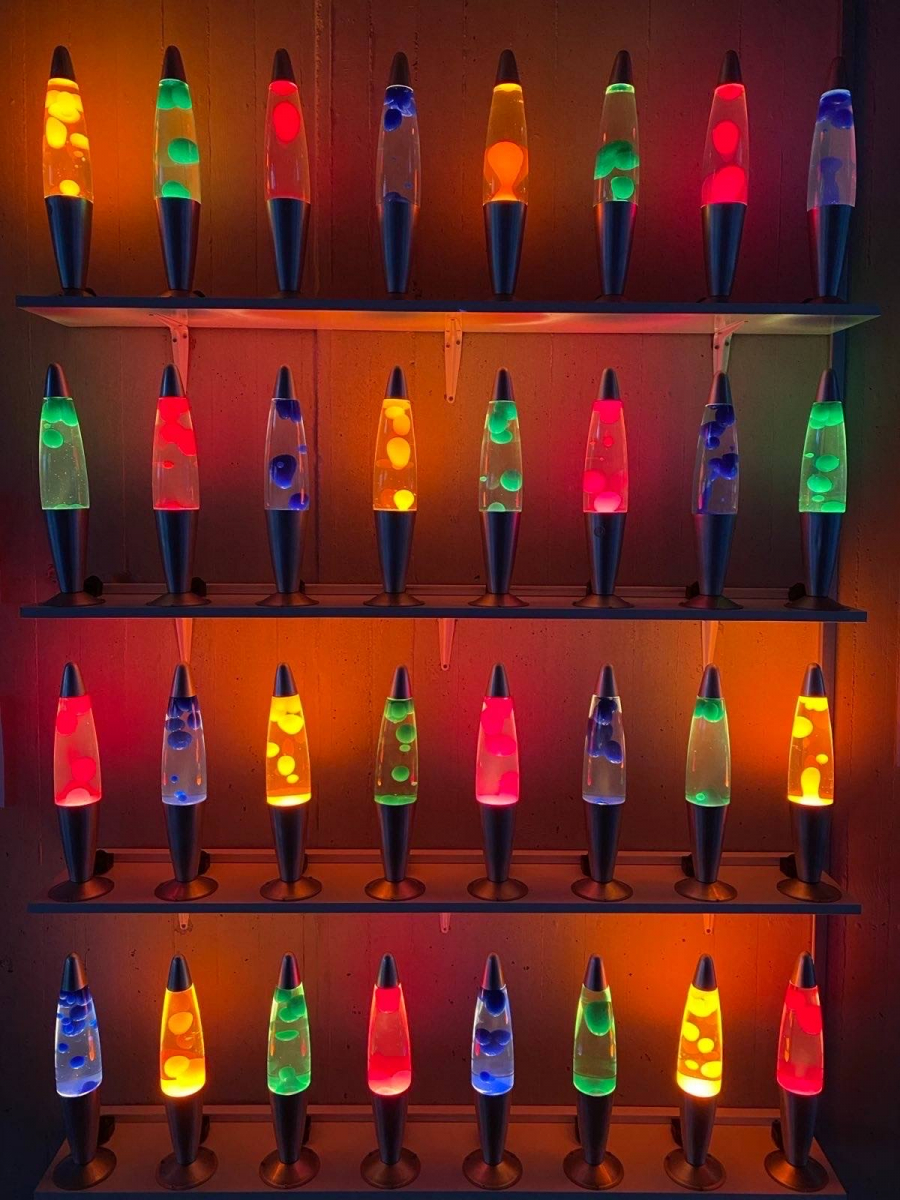
KuTadGu
Random Number Generation and Generation and Distribution of Quantum Keys with a Single Photon Source Project
Project aims to use chaotic systems like lava lamps and double pendulums and quantum systems as radioactive decay to generate random numbers, then to use single photon sources in room temperature to generate and distribute secure quantum keys. This will help create the infrastructure of similar projects in Turkey. Results of this project will be the feasibility study of national quantum key distribution from space.
With this project, needs of Defense & Security Industries will be met.
About Cryptography and Random Numbers
- Data security has become increasingly important with the rise of technology. While users benefit from convenience, malicious actors gain power too.
- Cryptography protects information by developing encryption mechanisms.
- Types of data that require protection:
- Data in Transit: Information sent through networks.
- Data at Rest: Stored in disks or cloud environments.
- Data in Use: Data being processed.
- Keys ensure that only authorized users can access data and form the foundation of cryptographic systems.
- The strength of keys depends on the randomness behind them. The more unpredictable, the more secure.
- Sources for random number generation include:
- Chaotic Systems: Sensitive to initial conditions; unpredictable behaviors.
- Quantum Systems: Based on principles of uncertainty; true randomness.
- Hardware Random Generators: Use physical phenomena like thermal noise.
- The Entropy Wall generates true random numbers from chaotic processes.
The Importance of Key Usage
- Strong keys protect against external threats.
- Weak keys may be easily broken.
- The quality of random numbers directly affects security strength.
Role of Chaotic Systems in Cryptography
- Chaotic systems exhibit unpredictable and sensitive behavior.
- Minor changes can cause major differences — useful for cryptography.
- When used correctly, they provide highly secure key generation.